Reference Summary: The planet Mercury is named after the messenger of the Roman gods because of its fleeting nature across the sky. Throughout history, countless myths and scientific theories have tried to explain the ...

Solar System 101 National Geographic -

The planet Mercury is named after the messenger of the Roman gods because of its fleeting nature across the sky. Throughout history, countless myths and scientific theories have tried to explain the ... Find out the origins of our home planet and some of the key ingredients that help ...

Important details found

  • The planet Mercury is named after the messenger of the Roman gods because of its fleeting nature across the sky.
  • Throughout history, countless myths and scientific theories have tried to explain the ...
  • Find out the origins of our home planet and some of the key ingredients that help ...
  • The sun keeps the planets in its orbit with a tremendous gravitational force.

Why this topic is useful

This format is designed to help readers move from a broad question into more specific pages without losing context.

Sponsored

Frequently Asked Questions

What is this page about?

This page summarizes Solar System 101 National Geographic and connects it with related entries, references, and supporting context.

Is the information always complete?

Not always. Some topics may need verification from official or primary sources.

How should readers use this information?

Use it as a starting point, then open related pages for more specific details.

Image References

Solar System 101 | National Geographic
Solar System 101 National Geographic
Sistema solar 101 | National Geographic en Español
Sun 101 | National Geographic
A Traveler's Guide to the Planets Full Episode | Saturn | @natgeokids
Origins of the Universe 101 | National Geographic
Earth 101 | National Geographic
Mercury 101 | National Geographic
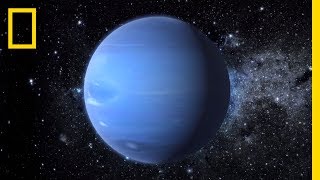
Neptune 101 | National Geographic
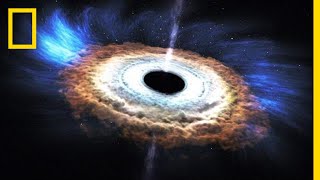
Black Holes 101 | National Geographic
Sponsored
View Full Details
Solar System 101 | National Geographic

Solar System 101 | National Geographic

Read more details and related context about Solar System 101 | National Geographic.

Solar System 101 National Geographic

Solar System 101 National Geographic

Read more details and related context about Solar System 101 National Geographic.

Sistema solar 101 | National Geographic en Español

Sistema solar 101 | National Geographic en Español

Read more details and related context about Sistema solar 101 | National Geographic en Español.

Sun 101 | National Geographic

Sun 101 | National Geographic

The sun keeps the planets in its orbit with a tremendous gravitational force. What would happen if it disappeared entirely? Learn ...

A Traveler's Guide to the Planets Full Episode | Saturn | @natgeokids

A Traveler's Guide to the Planets Full Episode | Saturn | @natgeokids

Watch the A Traveler's Guide to the Planets full episode, "Saturn". Take a trip to Saturn, the planetary pin-up boy, and not only do ...

Origins of the Universe 101 | National Geographic

Origins of the Universe 101 | National Geographic

How old is the universe, and how did it begin? Throughout history, countless myths and scientific theories have tried to explain the ...

Earth 101 | National Geographic

Earth 101 | National Geographic

Earth is the only planet known to maintain life. Find out the origins of our home planet and some of the key ingredients that help ...

Mercury 101 | National Geographic

Mercury 101 | National Geographic

The planet Mercury is named after the messenger of the Roman gods because of its fleeting nature across the sky. Find out the ...

Neptune 101 | National Geographic

Neptune 101 | National Geographic

Read more details and related context about Neptune 101 | National Geographic.

Black Holes 101 | National Geographic

Black Holes 101 | National Geographic

At the center of our galaxy, a supermassive black hole churns. Learn about the types of black holes, how they form, and how ...