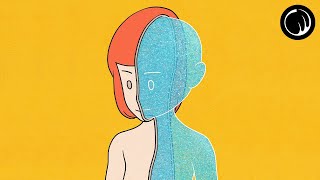
Short Overview: In the first of a new TED-Ed series designed to catalyze curiosity, TED Curator Chris Anderson shares his boyhood obsession with ... 00:00 The Silence Problem 01:18 The “Why Did I Walk In Here?” Glitch 02:32 Fake Phone Vibrations 03:50 The Staring Contest ...
Questions No One Knows The Answers To -
In the first of a new TED-Ed series designed to catalyze curiosity, TED Curator Chris Anderson shares his boyhood obsession with ... 00:00 The Silence Problem 01:18 The “Why Did I Walk In Here?” Glitch 02:32 Fake Phone Vibrations 03:50 The Staring Contest ... 00:00 Intro 00:01 Cosmic Endlessness 02:06 The Consciousness Enigma 04:09 Invisible Universe Controllers 06:20 The Time ...
Important details found
- In the first of a new TED-Ed series designed to catalyze curiosity, TED Curator Chris Anderson shares his boyhood obsession with ...
- 00:00 The Silence Problem 01:18 The “Why Did I Walk In Here?” Glitch 02:32 Fake Phone Vibrations 03:50 The Staring Contest ...
- 00:00 Intro 00:01 Cosmic Endlessness 02:06 The Consciousness Enigma 04:09 Invisible Universe Controllers 06:20 The Time ...
- Sign up for our newsletter and never miss an animation: In the first of a new TED-Ed series designed ...
- Learn more at -- In 1980, philosopher John Searle developed a thought experiment in response to AI ...
Why this topic is useful
Readers often search for Questions No One Knows The Answers To because they want a clearer explanation, related examples, and a practical way to continue exploring the topic.
Frequently Asked Questions
How should readers use this information?
Use it as a starting point, then open related pages for more specific details.
What should readers check next?
Readers should check related pages, official references, or updated sources when details matter.
Why are related topics included?
Related topics help readers compare nearby references and understand the broader subject.